By Ada Nkong
The need to engage stakeholders continually on issues of women participation in politics and gender based violence has been emphasized.
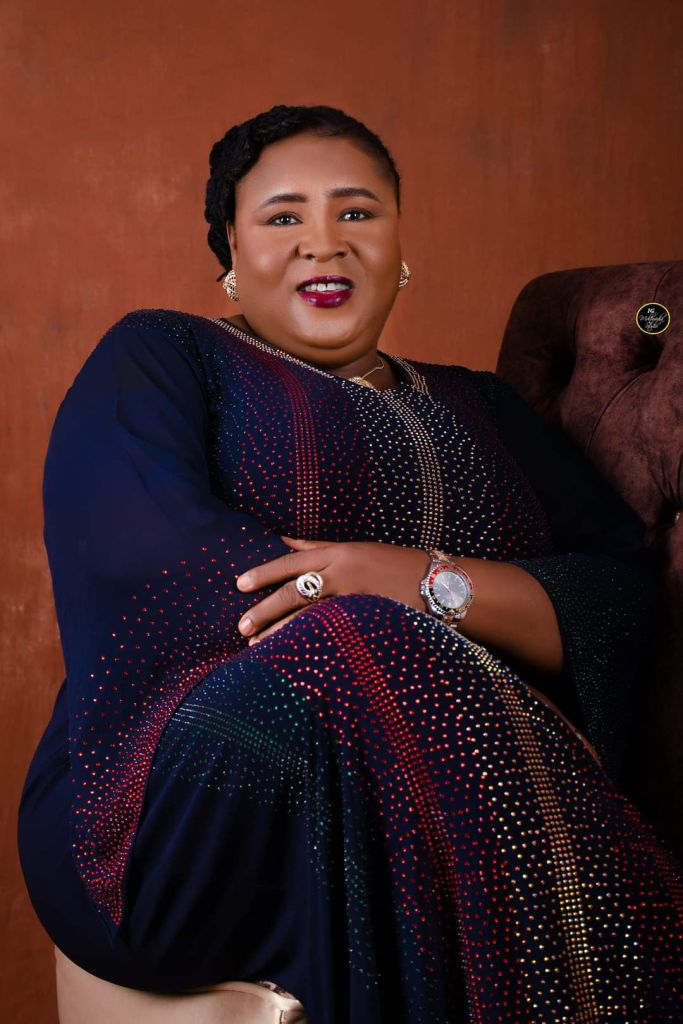
This formed the focus of the conversation as the Vice president Zone D, NAWOJ Chizoba Ogbeche played host to a delegation from the Gender Advancement Strategy initiative (GSAI) during a courtesy visit by the later.
While receiving the team, Comrade Ogbeche commended the Gender Advancement Strategy Initiative (GSAi) for the work that they have been doing, She also provided insight into the history and working of NAWOJ.
“The Association was formed to improve ourselves and also help others. NAWOJ was formed over 33 years ago to give women journalists a voice when they were very few in the newsroom,as time went on, we observed that women improved significantly, but we have people outside journalism who are not practicing and still need our assistance so we had to go beyond just the media”.
According to the VP, NAWOJ is now working in many thematic areas, including gender-based violence, politics, women’s empowerment, skills training, and more.
What identifying accountability of public officers as a common interest between NAWOJ and GSAi she pointed out the need to work together to achieve their common goal.
“We have a lot in common and many areas where we can work together, like you said. Even the recent circle of storytelling exhibition, where one of our own proudly emerged as one of the winners, shows our potential. I was involved from the training period to the assessment, and I am impressed with what our women reported”.
While commending GSAI for recently training 60 journalists on gender based reportage,she expressed hope that the next round of this training will involve women outside the FCT especially nearby states like Nasarawa, Plateau, Benue, and Kogi,
She commended the CEO of GSAI Mrs Adora Onyechere Sydney-Jack for her advocacy and other initiatives describing her as an inspiration to other women journalists.
Responding, Communication officer GSAi, Grace Udie said her organization is keen on addressing issues surrounding under-representation of women.
“We did this research to ensure that more women and the underrepresented are included in the political space. When women are underrepresented in the political space, they do not have the ability to speak. When you have someone in leadership who understands what you face as a woman, especially a woman from a grassroots community affected by societal and cultural norms, you realize how important it is for that woman to be represented by another who has gone through the same challenges in the political space”.
“Why are we seeing limited numbers? It’s because there is a lot of patriarchy in society. We have many men in those seats, making it difficult for women. Yes, some women are there, but are they allowed to participate in the decision-making processes that affect other women? Sometimes they are subdued because they are outnumbered”.
“As an organization, we saw the need to research this and come up with outcomes to understand the reasons affecting women’s participation in the political space—and not just the political space. For us, the political space is widely reached. Why do I say this? I think that if we’re able to cover the political space for women across the Federation and the FCT, we can change the narrative for women. We also want to put women in leadership spaces, give more voices to women, and change the narrative surrounding the issues faced by women, girls, and persons with disabilities, especially at the community level”.
Miss Udie applauded NAWOJ for their passion for and role in pushing the advocacy for gender inclusion and lame Ted the increase in cases of gender based violence while stressing the impact partnership between the two organizations will have .
“in recent times, we have seen a rise in cases of gender-based violence. We are reporting them, but are there policies that are changing? That’s where we need to keep having this conversation. We also believe in the power of partnership and collaboration, which is why we’ve come to this course. Now we can align to change the narratives, especially from the grassroots, which is critical”.


 NewsAnnexOnline