By Ada Nkong
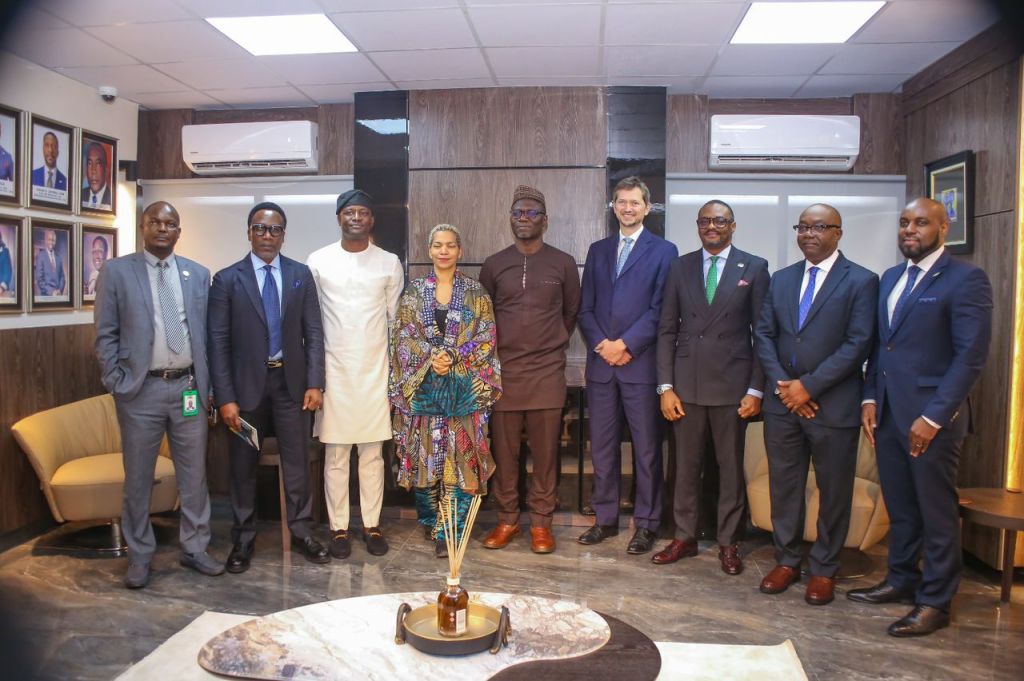
The Director General, Nigerian Meteorological Agency has emphasized the role of weather and climate reporting in Socio-Economic Development.
The DG made the assertion during investors roundtable meeting organized by the Nigerian Exchange Group and the ISSB.
The DG said the World Economic Forum (WEF) identifies increasing extreme weather events as a top global risk, impacting financial institutions through increased costs, physical risks, and liquidity issues.
According to him. “these extreme weather events are both short-term and long-term risk, highlighting their significant and growing economic costs, disproportionate impact on developing countries, and potential to trigger food price shocks, supply chain disruptions, and increased insurance costs”.
“Financial institutions face increased credit risk in Nigeria when borrowers’ ability to repay loans is impacted by climate disasters, and market risks as the value of certain assets declines. Increasing climate damages are straining private insurance markets, shifting more costs to government-run plans and raising questions about their sustainability. We need to work together, integrating contextual meteorological data into Sustainability Reporting and close climate data gaps in Nigeria”.
Anosike highlighted the role of meteorology in providing the fundamental weather and climate data that forms the foundation for sustainability reporting, saying “it is crucial for disaster preparedness, public health, building and construction, agricultural productivity, food security, marine operations, extractive sector, aviation safety and Indeed a sustainable economy”.
While reiterating The role of NiMet as an Agency of the Federal Government of Nigeria, entrusted solely with the mandate to observe, collate, collect, process, and disseminate weather and climate information for the safety of lives and property making weather and climate predictions across various timescales and ensuring timely communication of weather and climate information to support sustainable socio-economic development in Nigeria, he assured that NiMet has been at the forefront of climate data management and people cantered early Warning Systems.
The DG called for greater investment, mutual engagement and quality climate data sharing which he said are critical for effective sustainability reporting, fostering trust, transparency and collective progress towards climate informed goals.


 NewsAnnexOnline