By Ada Nkong
The National Human Rights Commission (NHRC) has drawn attention to marked increase in human rights abuses and killings across Nigeria,
The chart shows Katsina State topping with 64 recorded killings in August 2025 alone while Benue (41 killings), Plateau (39), Zamfara (25), and Sokoto (17) followed, rounding off the top five states where citizens are being slaughtered with disturbing regularity.
Presenting its August 2025 Human Rights Situation Dashboard on Tuesday in Abuja, NHRC Executive Secretary, Dr. Tony Ojukwu (SAN, OFR), described the findings as “appalling” and reflective of a deepening humanitarian and security crisis.
According to the NHRC, a staggering 365,224 complaints of human rights violations and killings were received from its 38 collection centers across the country — a record high. Zamfara and Katsina States led in violent crimes, including the mass murder of 50 worshippers in a Katsina mosque and the abduction of 45 people in Bakura, Zamfara.
Mob justice also surged in urban centers like the FCT and Kwara, where lynchings over alleged theft and blasphemy highlighted the public’s growing mistrust in formal law enforcement.
REGIONAL BREAKDOWN:
North Central: 152,870 cases
North West: 70,000 cases
North East: 68,578 cases
South East: 45,848 cases
South South: 14,041 cases
South West: 13,864 cases
At the state level, Benue led with 43,419 complaints, followed by Borno (35,107), Kaduna (29,250), Niger (23,107), Plateau (21,578), with Imo, Sokoto, Kogi, Enugu, and Bauchi also making the top ten.
KILLINGS BY PERPETRATORS (AUGUST 2025):
Bandits: 135
Unknown Gunmen (UGM): 65
Boko Haram: 35
Lakurawa Terrorists: 22
Others: 44
Cultists: 5
Other recorded abuses included:
450 kidnappings
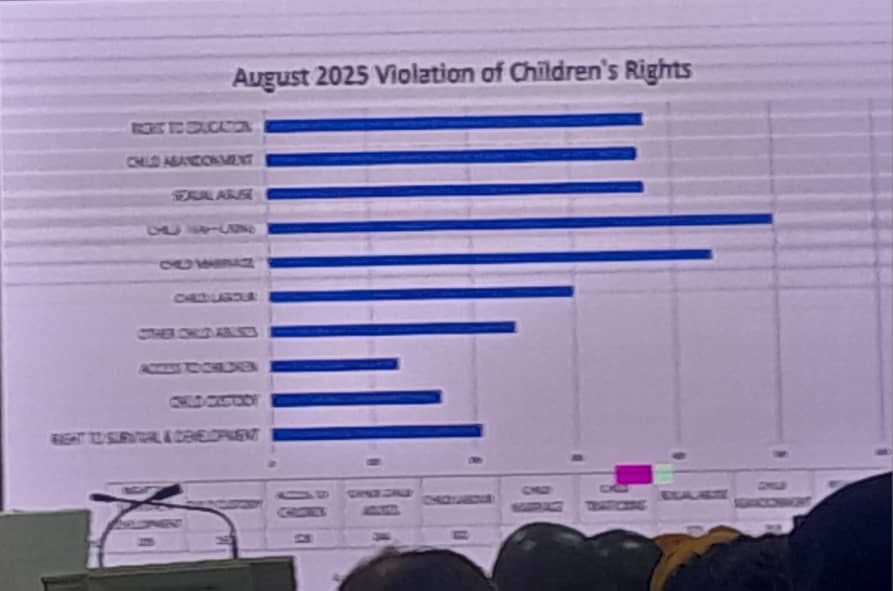
368 cases of child abandonment
14 killings of security personnel
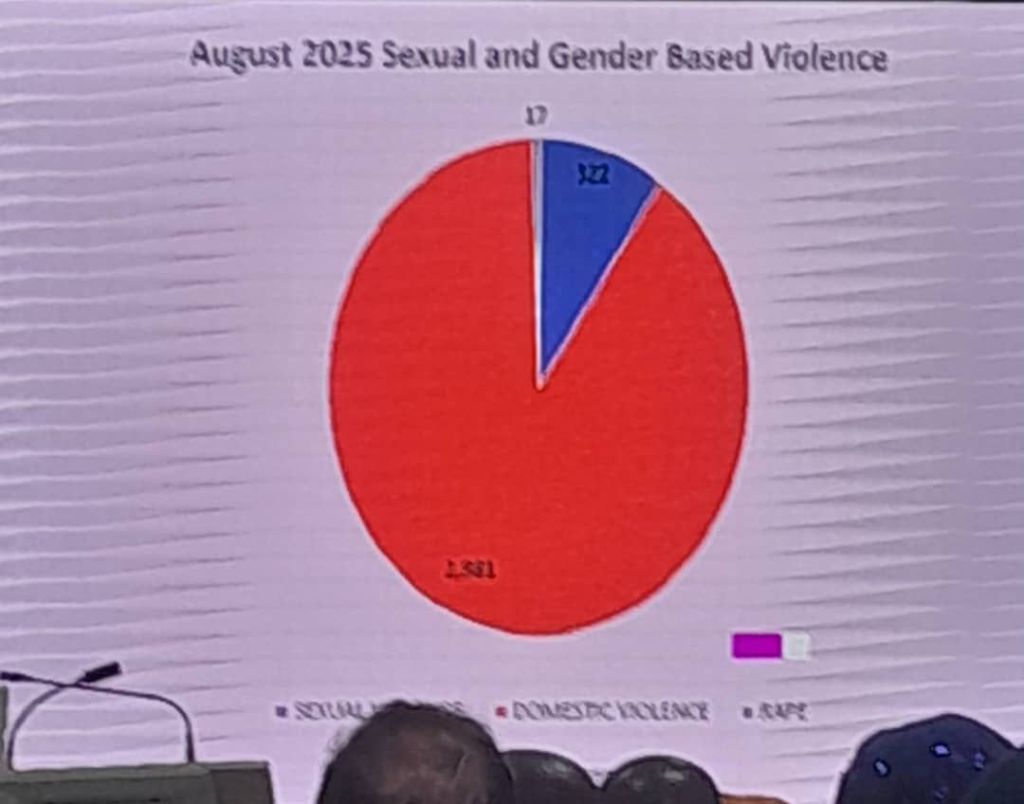
Particularly distressing were cases of rape and sexual violence against minors, including girls as young as 2 years old in Ekiti and 7 in Ondo — a stark indication of the dangers facing vulnerable groups.
“Our dashboard on human rights and internal displacements reveals humanitarian crises of immense proportion,” Ojukwu said. “Conflicts, banditry, and climate disasters have displaced tens of thousands and continue to strip Nigerians of their dignity and safety.”
From May to July 2025, the NHRC documented:
8,966 new displacements
53,261 cumulative displacements
10,710 returnees
5,191 refugees
2,275 asylum seekers
Ojukwu called on governments and humanitarian organizations to prioritize the protection and restoration of rights for these populations.
“Our Constitution and international obligations compel us to protect the rights of all — regardless of status or origin. We must walk the talk,” he urged.
The NHRC also extended gratitude to its partners including the UNHCR, UNDP, and OHCHR, for supporting its mission and the continued publication of its Monthly Human Rights Dashboard, now active since January 2024.
The Dashboard aggregates real-time data from NHRC offices and its Human Rights Observatory, with special focus on women, children, and displaced persons.


 NewsAnnexOnline